The science
The science,
all the way down
Hydration is simpler than the supplement aisle makes it look, and deeper than a label can hold. Five threads run through everything we make. Skim the chunks, check the figures, and follow any thread as deep as you want to go.
01 · The hook
Why water isn’t enough
Drinking more isn’t always drinking smarter — your body defends concentration, not volume.
Water is a solvent. What it does depends on what’s already dissolved in your blood.
Your body defends concentration, not volume.
Too much, too fast dilutes the sodium you’re trying to hold.
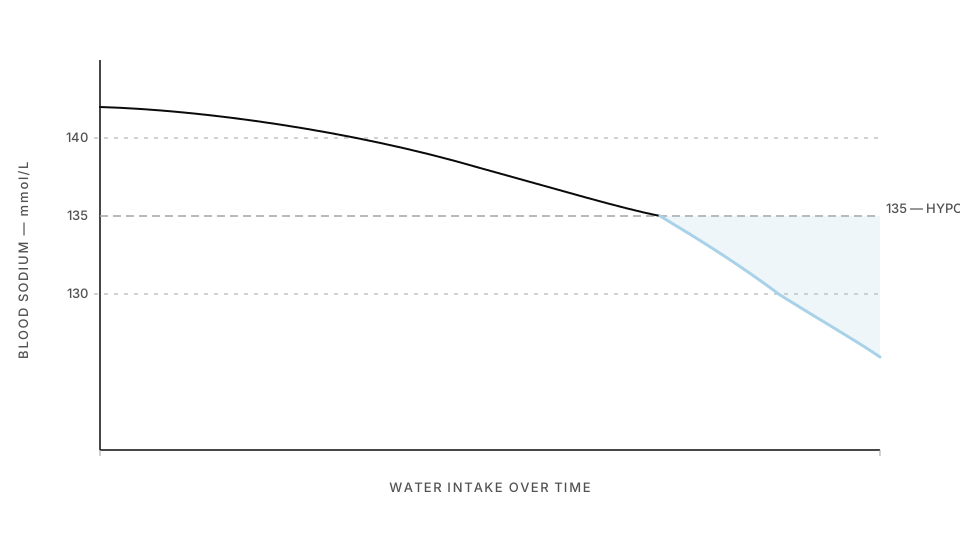
| 135 mmol/L | the blood-sodium line below which is hyponatremia |
| 5–51 % | low blood sodium across screened endurance events |
| 0 | electrolytes plain water puts back |
02 · The credibility
The glucose that moves salt
The most important sugar in hydration isn’t there for taste.
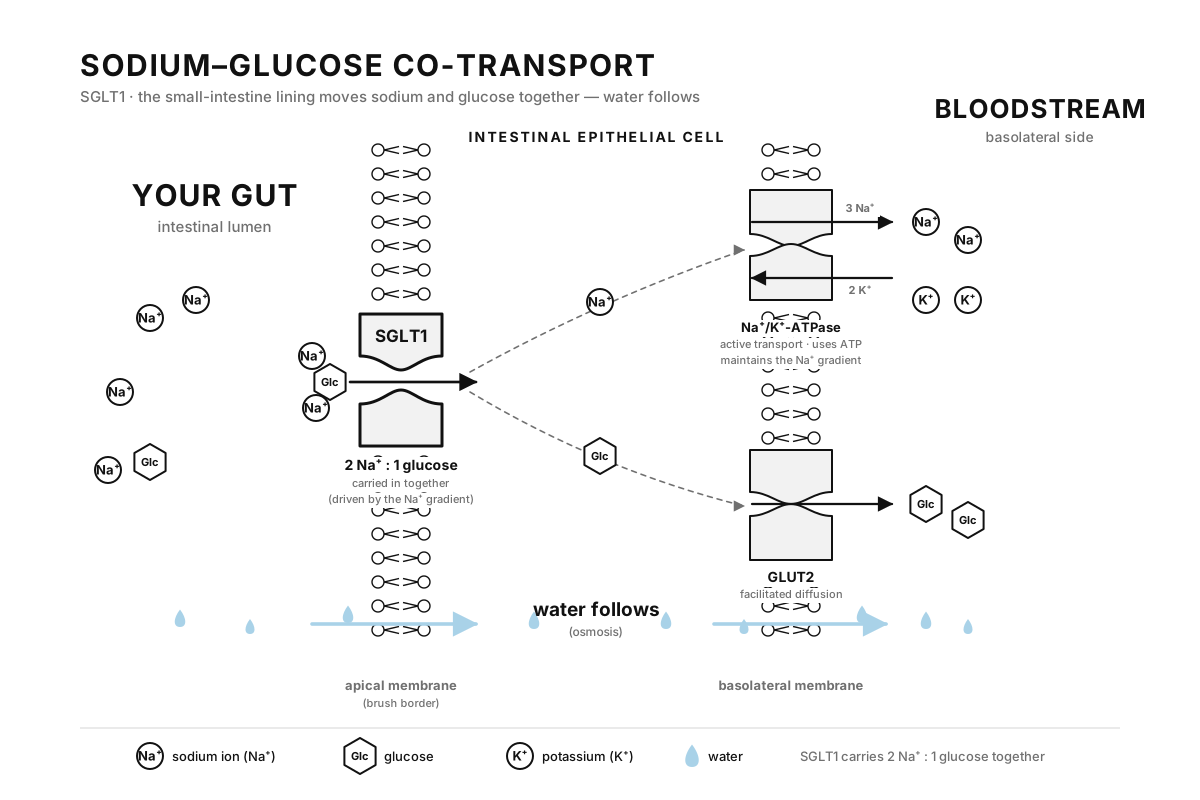
Sodium needs a ride across the gut wall. Glucose is the ride.
SGLT1 carries two sodium for every glucose. Water follows.
It’s why Quick Rehydrate has a little dextrose, and nothing more.
| 2:1 | sodium ions SGLT1 carries per glucose |
| ~4 g/L | dextrose we use — the functional dose |
| 1978 | the Lancet called it the advance of the century |
03 · The spine
Why we left everything else out
Most of what’s in the bottle isn’t electrolyte.
Color, sweetener, acid, flavor — there to make a drink feel like something.
None of it does a job for your body.
One test per ingredient: does it work, or is it out?
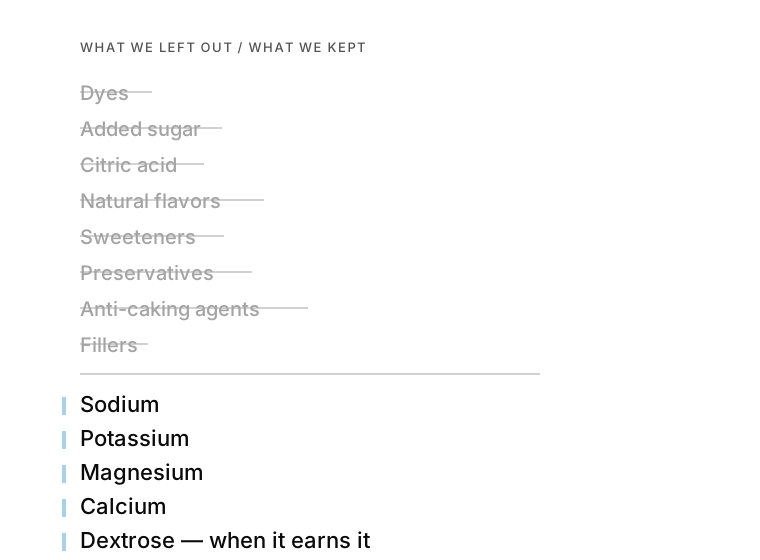
| 5 | ingredients that earned their place: 4 minerals + dextrose |
| 0 | dyes, sweeteners, or added flavors |
| 1 | test every ingredient had to pass |
04 · The athlete
What your sweat is actually losing
Your sweat isn’t the same as anyone else’s.
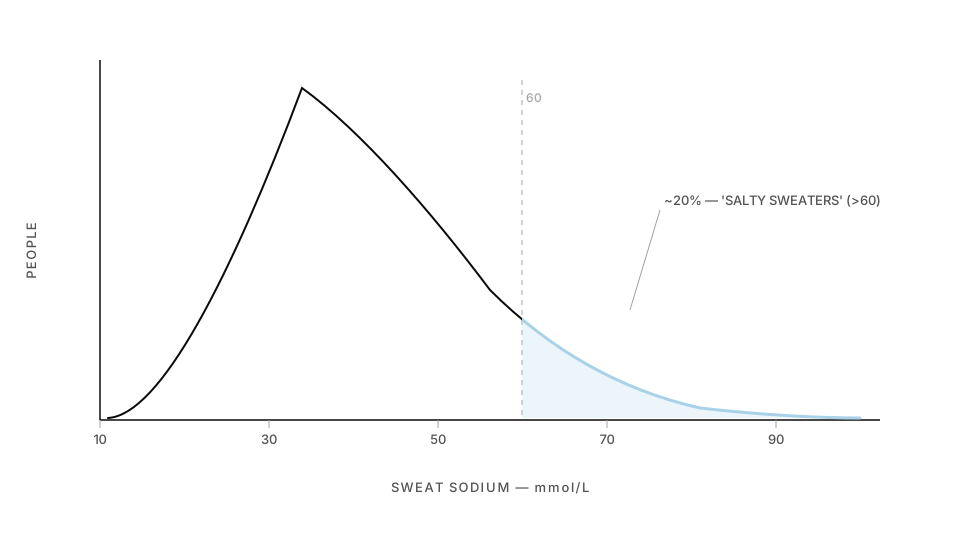
Sodium loss varies almost ten-fold between people.
Roughly one in five are “salty sweaters.”
Generic guidance fails the people who sweat hardest.
| ~9× | range in sweat sodium between people |
| ~1 in 5 | endurance athletes who are “salty sweaters” |
| 10–90 mmol/L | the span, low end to high |
05 · The trust
What’s not on the label
The most important part of an electrolyte never makes the front of the box.
Mineral salts can carry trace heavy metals from the ground they come from.
There’s no US limit specific to supplement heavy metals.
The only honest answer is testing — and showing it.
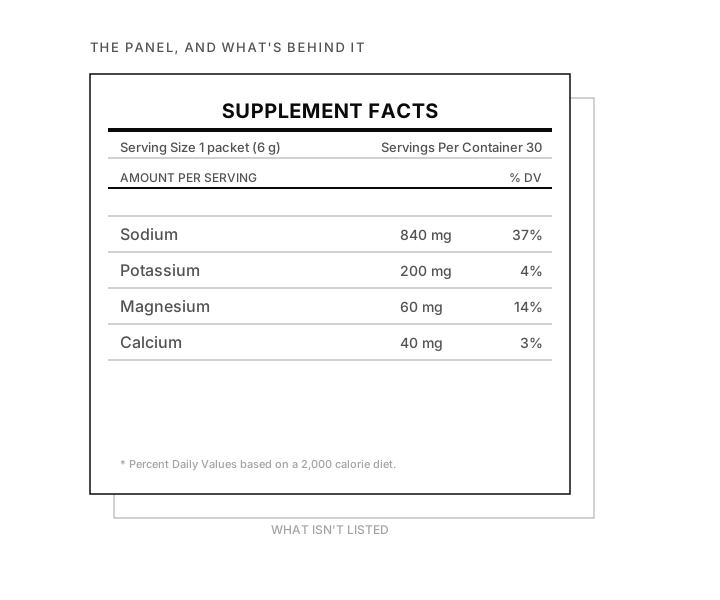
| 47 % | of protein powders over a contaminant threshold (2024 study) |
| 0 | US federal caps specific to supplement heavy metals |
| 4 | metals the standard test screens: As, Cd, Pb, Hg |
In this thread
The whole map
Every article, two ways in
The threads above are the front doors. Behind them is a growing library — foundations, mechanism and formula, the case for subtraction, purity and safety, and the practical use cases. Start with one of these, or browse the whole thing filtered by what you came for or how deep you want to go.
Read the label, then decide
The shop lists every number these articles cite again, per format.